Skin Secrets &
Blogs
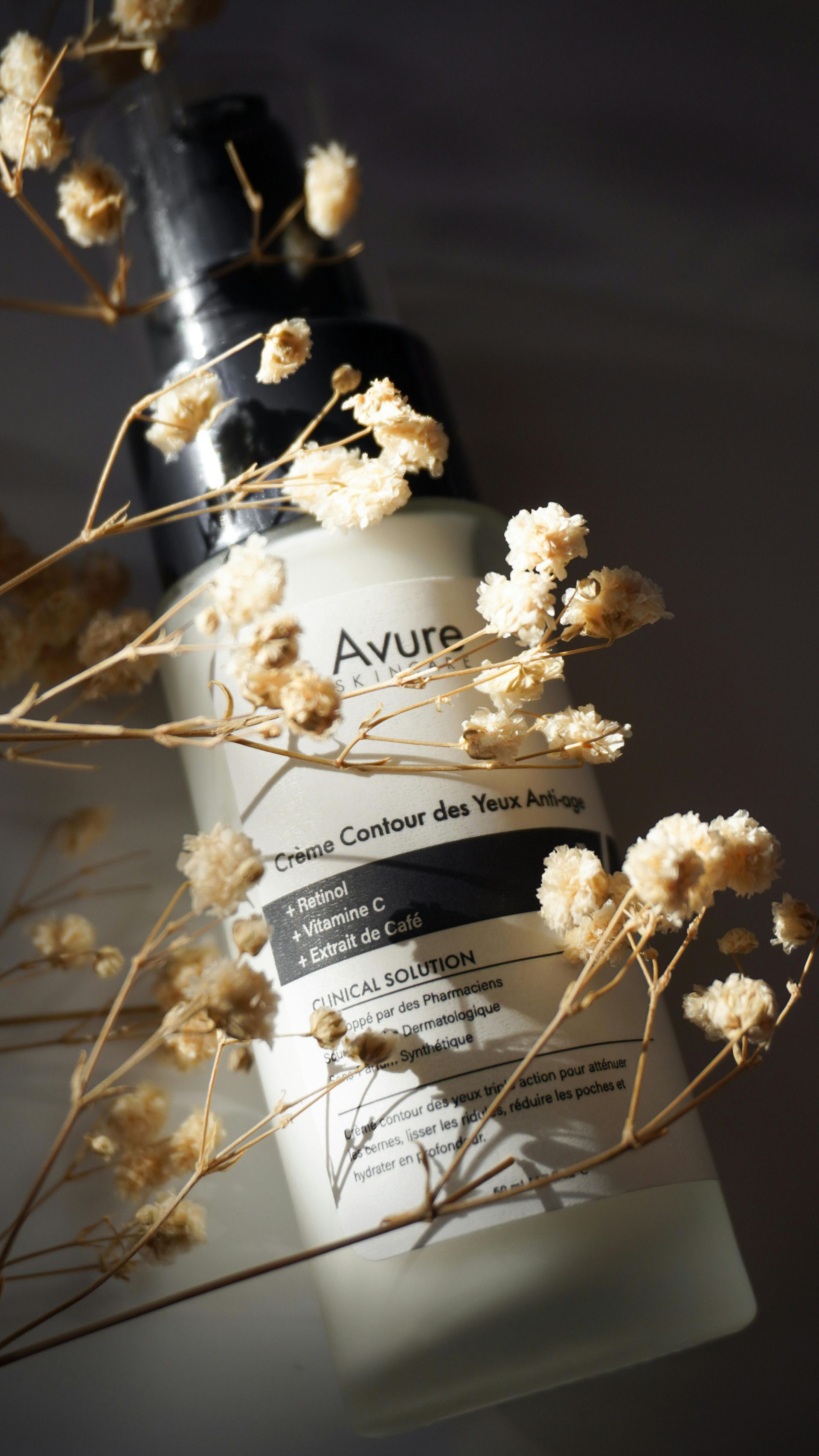
What Are Retinoids? Retinoids are Vitamin A derivatives known as the gold standard in skincare. They accelerate cell turnover, stimulate collagen, and address concerns like fine lines, uneven tone, and acne. But here’s the key difference: retinol, retinal, and retinoic acid vary in strength and how your skin converts them into the active form. 1. Retinol – The Beginner’s Choice Definition: The most popular over-the-counter retinoid. Conversion: Retinol → Retinal → Retinoic Acid (two steps). Strength: Mild, takes longer to show results, but gentler on the skin. Best for: First-time retinoid users or those with sensitive skin. ✨ Retinol = steady results with low irritation. 2. Retinal (Retinaldehyde) – The Middle Ground Definition: A lesser-known but highly effective Vitamin A derivative. Conversion: Retinal → Retinoic Acid (one step). Strength: Faster results than retinol, but still tolerable for most skin types. Best for: Intermediate users who want quicker results without jumping to prescription strength. ✨ Retinal = efficient, effective, and balanced. 3. Retinoic Acid (Tretinoin) – The Prescription Powerhouse Definition: The pure, active form of Vitamin A. Conversion: None — your skin uses it immediately. Strength: The strongest option, available by prescription in most countries. Best for: Advanced anti-aging needs or persistent acne, under dermatologist guidance. ✨ Retinoic Acid = maximum results, but also maximum sensitivity. ⚖️ Which Retinoid Is Best for You? Beginner → Retinol (gentle, slow and steady). Intermediate → Retinal (faster visible results, still OTC). Advanced → Retinoic Acid (dermatologist-prescribed, most powerful). 🚨 Pro Tip: Always pair any retinoid with daily SPF 30+ — retinoids increase sun sensitivity. 💆 Spa Insight: Pair with Professional Treatments At Skingraphy Clinical Spa, we often recommend balancing at-home retinoid use with professional treatments such as: Hydrating facials → to counter dryness Chemical peels → to safely enhance cell turnover Customized serums → layered for maximum effect This combination ensures your skin gets both science-driven and spa-powered care. ✨ Final Thoughts Retinoids may seem complicated, but think of them as a ladder of strength: Retinol → gentle introduction Retinal → faster and stronger Retinoic Acid → maximum power Choose the level that matches your skin goals, start slowly, and let Vitamin A transform your complexion.

From ancient civilizations to modern-day oases, the concept of the spa has evolved over thousands of years. Let's take a journey through time and explore the fascinating history of pampering. Ancient Egypt: Where it All Began Around 4000 BC, ancient Egyptians built elaborate bathhouses, complete with hot tubs, saunas, and even early versions of massages. They believed that bathing was not only essential for cleanliness but also for spiritual purification. Who knew that the Egyptians were the original spa enthusiasts? The Roman Empire: Spa-ing Gets a Makeover The Romans took the concept of bathing to a whole new level. They built sprawling bath complexes, complete with heated floors, steam rooms, and even libraries. It was the ultimate relaxation experience. Just imagine soaking in a hot tub, sipping wine, and discussing the latest philosophical trends with your friends. The Middle Ages: A Dark Time for Spa-Lovers During the Middle Ages, bathing became a rare and dreaded activity. Yep, you read that right – people thought bathing was a sin! It's hard to imagine a time when personal hygiene was seen as a luxury, but thankfully, we've come a long way since then. The Modern Era: Spa-ing Gets a New Lease on Life In the 19th and 20th centuries, the concept of the modern spa began to take shape. People flocked to thermal baths and springs, hoping to cure ailments like arthritis and gout. And with the rise of luxury resorts and spas, the art of pampering reached new heights. Today: The Era of Customized Spa Experiences

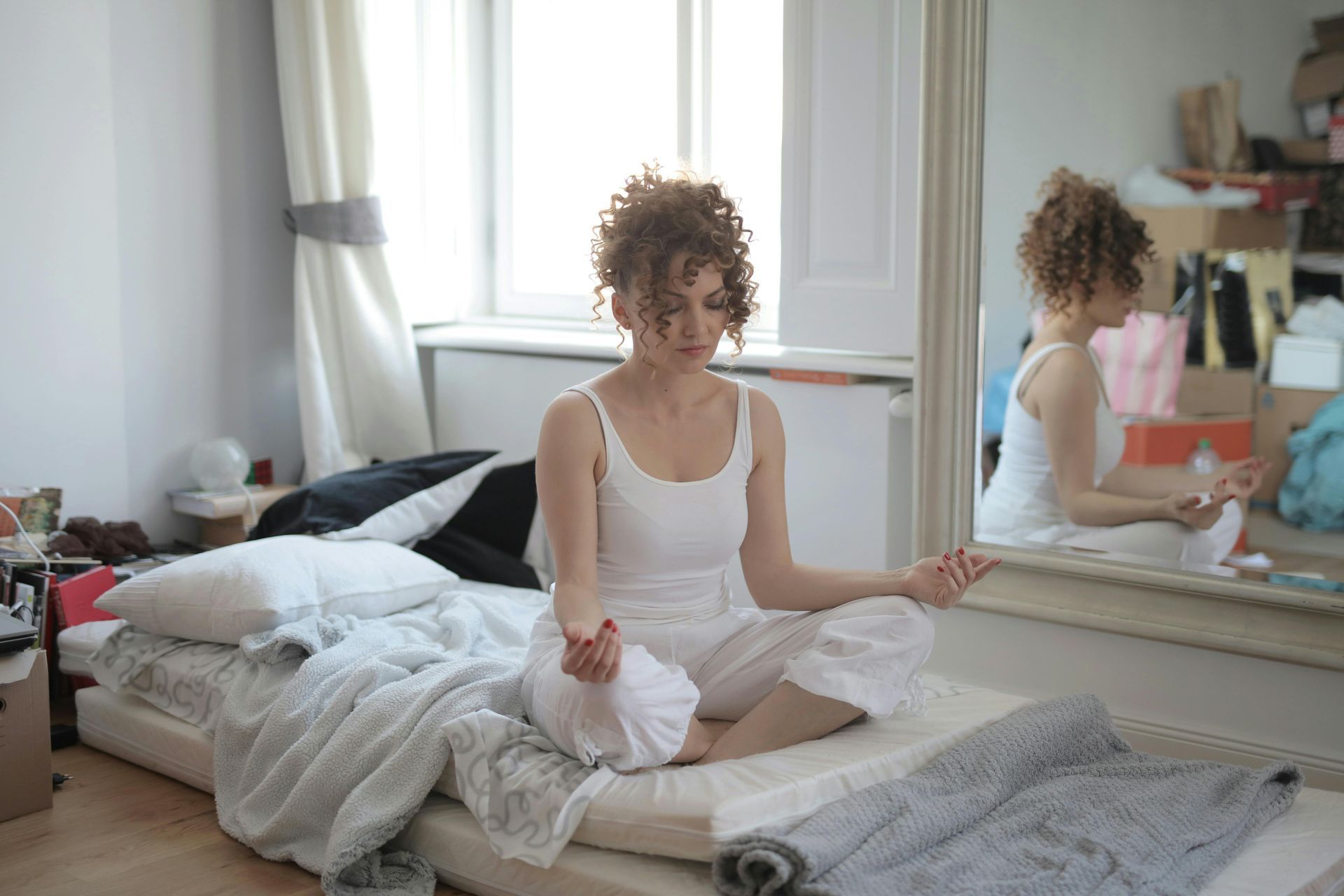
Introduction In today’s fast-paced world, stress has become an all-too-common companion. While some stress is normal, chronic stress can have detrimental effects on your physical and mental well-being. At our clinical spa, we prioritize not only your skin health but also your overall wellness. Here, we explore various relaxation techniques that can help you manage stress and promote a balanced, healthier lifestyle. 1. Deep Breathing Exercises Deep breathing is one of the simplest yet most effective ways to reduce stress. It can be done anywhere and anytime. By focusing on your breath, you can calm your mind and body. Technique: Sit or lie down in a comfortable position. Close your eyes and take a slow, deep breath in through your nose, allowing your abdomen to expand. Hold the breath for a few seconds, then slowly exhale through your mouth. Repeat this process for several minutes. 2. Progressive Muscle Relaxation Progressive muscle relaxation involves tensing and then slowly relaxing each muscle group in your body. This technique can help reduce physical tension and stress. Technique: Start with your toes and work your way up to your head. Tense each muscle group for about five seconds, then relax for 30 seconds before moving on to the next group. Focus on the sensation of relaxation after the tension is released. 3. Mindfulness Meditation Mindfulness meditation is a practice that involves focusing on the present moment without judgment. It can help reduce stress, anxiety, and depression. Technique: Find a quiet place to sit comfortably. Close your eyes and focus on your breath or a mantra. If your mind wanders, gently bring your focus back to your breath. Start with a few minutes each day and gradually increase the time. 4. Aromatherapy Aromatherapy uses essential oils to promote relaxation and well-being. Certain scents, like lavender and chamomile, have calming properties that can help reduce stress. Technique: Use an essential oil diffuser to fill your room with a soothing aroma, or apply diluted essential oils to your skin. You can also add a few drops to a warm bath for a relaxing soak. 5. Yoga Yoga combines physical postures, breathing exercises, and meditation to promote relaxation and reduce stress. It can also improve flexibility, strength, and overall well-being. Technique: Join a local yoga class or follow online tutorials. Focus on gentle, restorative poses if you’re new to yoga or feeling particularly stressed. 6. Massage Therapy Massage therapy is an excellent way to relax and relieve stress. It helps reduce muscle tension, improve circulation, and promote a sense of calm. Technique: Schedule a professional massage at our clinical spa. We offer various types of massages, including Swedish, deep tissue, and hot stone, tailored to your specific needs. 7. Visualization Visualization, or guided imagery, involves imagining a peaceful scene to help your mind and body relax. Technique: Find a quiet place to sit or lie down. Close your eyes and imagine a serene place, such as a beach or a forest. Focus on the details of this place, including sights, sounds, and smells. Spend several minutes immersed in this peaceful scene. 8. Listening to Music Music can have a profound effect on your emotions and stress levels. Listening to calming music can help reduce stress and promote relaxation. Technique: Create a playlist of your favorite relaxing music. Listen to it during your commute, while working, or as you wind down in the evening. 9. Journaling Journaling is a great way to process your thoughts and emotions. Writing about your experiences can help you gain perspective and reduce stress. Technique: Set aside a few minutes each day to write about your thoughts, feelings, and experiences. Focus on what you’re grateful for and any positive experiences you’ve had. 10. Spending Time in Nature Spending time outdoors can help reduce stress and improve your overall well-being. Nature has a calming effect on the mind and body. Technique: Take a walk in a park, hike in the woods, or simply sit in your garden. Make it a point to spend time in nature regularly. Conclusion Incorporating these relaxation techniques into your daily routine can significantly reduce stress and improve your quality of life. At our clinical spa, we offer a range of services designed to help you relax and rejuvenate. From soothing massages to aromatherapy, we are committed to helping you find balance and tranquility.
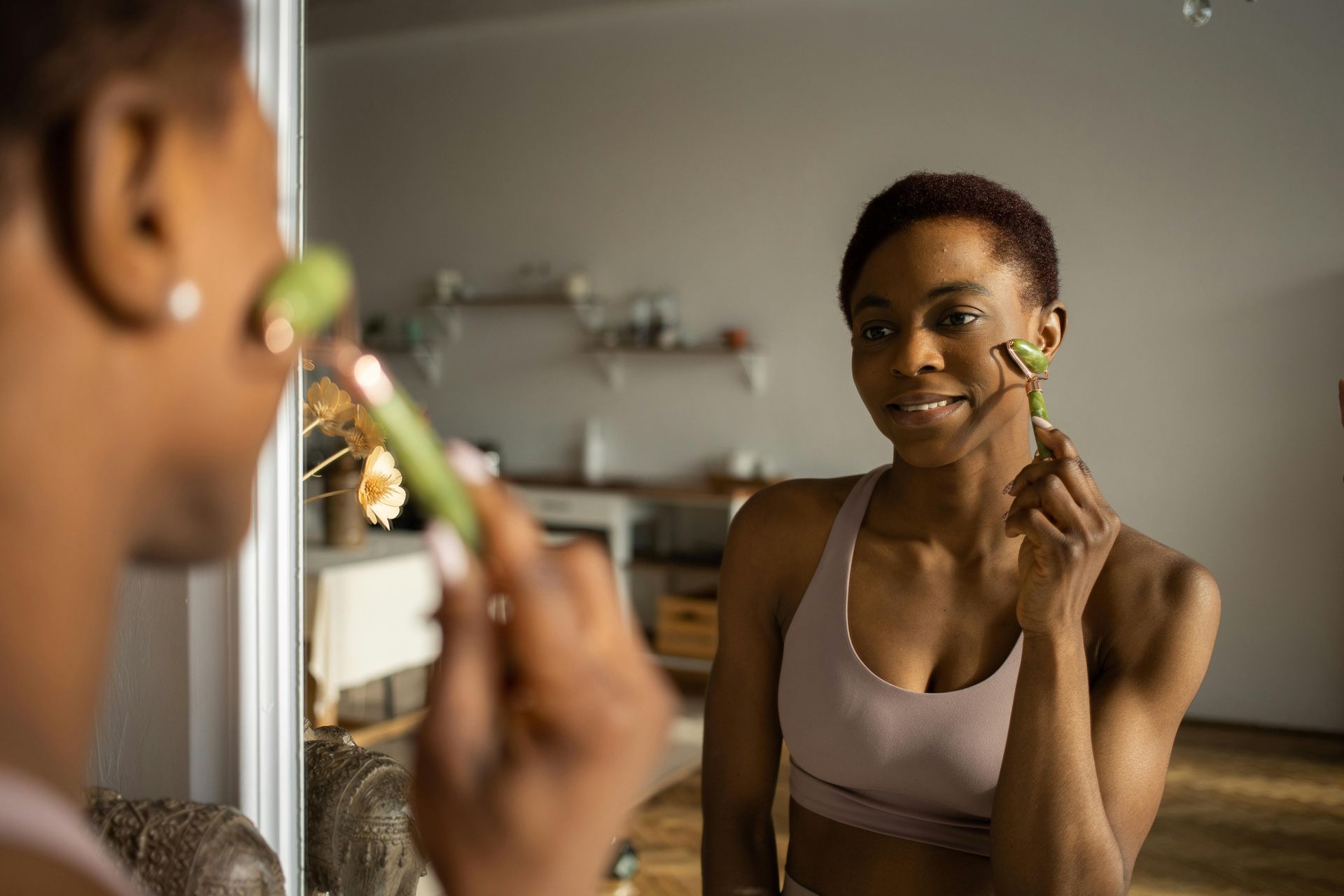
In the pursuit of healthy, glowing skin, having a consistent skincare routine is crucial. At our clinical spa, we believe that skincare is not just about looking good but also about maintaining the health of your skin. Whether you're dealing with acne, dryness, aging, or just looking to maintain your skin's health, a tailored skincare routine can make a world of difference. Here's why a skincare routine is essential and how you can create one that works for you. 1. Understanding Your Skin Every individual's skin is unique, with its own set of needs and challenges. Understanding your skin type—whether it's oily, dry, combination, sensitive, or normal—is the first step in creating an effective skincare routine. Our professionals at the clinical spa can help you identify your skin type and recommend products and treatments that suit your specific needs. 2. Daily Cleansing Daily cleansing is the cornerstone of any skincare routine. Throughout the day, your skin is exposed to pollutants, dirt, and bacteria that can clog pores and cause breakouts. A good cleanser removes these impurities, leaving your skin clean and ready to absorb other skincare products. Choose a gentle cleanser that matches your skin type to avoid stripping your skin of its natural oils. 3. Exfoliation for Renewal Exfoliation is essential for removing dead skin cells that can make your complexion look dull and cause clogged pores. Regular exfoliation helps to reveal fresh, new skin and enhances the effectiveness of your other skincare products. However, it's important not to overdo it—2-3 times a week is usually sufficient. For sensitive skin, opt for a mild exfoliant to prevent irritation. 4. Moisturization for Hydration Regardless of your skin type, moisturization is key to maintaining your skin's hydration and barrier function. A good moisturizer locks in moisture, keeping your skin soft, smooth, and supple. For oily skin, a lightweight, non-comedogenic moisturizer is ideal, while dry skin benefits from a richer, more hydrating formula. Our estheticians can recommend the best products for your skin's needs. 5. Sun Protection One of the most critical steps in any skincare routine is sun protection. UV rays from the sun can cause premature aging, dark spots, and increase the risk of skin cancer. Applying a broad-spectrum sunscreen with at least SPF 30 every day, even on cloudy days, protects your skin from harmful UV damage. For added convenience, choose a moisturizer or foundation with built-in SPF. 6. Targeted Treatments Depending on your skin concerns, you may need targeted treatments such as serums, masks, or treatments for specific issues like acne, hyperpigmentation, or fine lines. Serums with active ingredients like vitamin C, hyaluronic acid, or retinol can provide powerful benefits when used correctly. Consult with our skincare experts to find the right products for your specific concerns. 7. Consistency is Key Consistency is perhaps the most important aspect of any skincare routine. Results don't happen overnight, but with regular use of the right products, you can achieve and maintain healthy, beautiful skin. Establishing a morning and evening skincare routine ensures your skin gets the care it needs around the clock. 8. Professional Treatments In addition to your at-home routine, professional treatments at our clinical spa can enhance your skincare results. Treatments like facials, chemical peels, microneedling, and laser therapy provide deep cleansing, exfoliation, and targeted care that over-the-counter products can't match. Regular spa visits complement your daily routine and keep your skin in top condition. Conclusion A well-rounded skincare routine is essential for maintaining the health and appearance of your skin. By understanding your skin type, cleansing, exfoliating, moisturizing, protecting from the sun, and using targeted treatments, you can achieve a radiant complexion. Remember, consistency is key, and professional treatments at our clinical spa can take your skincare to the next level.